
Top Tips for Footwear Wholesalers: Seasonal Demand Forecasting for Premium Kids Shoes
For B2B footwear distributors, boutique retailers and online sellers operating across the USA, EU, Australia and GCC Middle East markets, accurate seasonal forecasting directly determines inventory turnover, cash flow and overall profitability. Many wholesale buyers encounter common troubles: overstocking slow-selling styles, missing peak selling windows, or tying up capital in out-of-season kids footwear. Unlike general consumer guides, this article focuses on practical forecasting and ordering logic tailored for premium kids school shoes, casual shoes, sandals and boots.
Understand Offset Seasons Across Your Core Markets
One of the biggest challenges in global kids shoe wholesale is opposite seasonal cycles between northern and southern hemispheres. When Europe and the United States enter cold autumn and winter, Australia is welcoming spring and summer. The GCC region stays hot for most of the year, with only short cool periods, which reshapes its demand curve completely.
USA & Western Europe: Back-to-school season is the largest peak for school shoes. Sandals sell well from May to August; boots are popular September through February.
Australia & New Zealand: Seasons are reversed. Sandals sell strongly from November to March, while waterproof kids boots are ordered from April to September.
GCC Middle East: Lightweight sandals and breathable casual shoes are steady year-round. Warm boots only have limited demand in highland areas, so large bulk orders are not recommended.
Good forecasting allows you to split one production run into two shipments, serving northern and southern hemisphere buyers separately. Mixed container orders become much easier to arrange when you map these cycles in advance.
Key Trigger Events That Drive Bulk Kids Footwear Orders
Seasonal temperature is not the only factor. Regional calendar events create predictable spikes for premium kids footwear. As a wholesale buyer, you should lock in your sourcing timeline 60–90 days ahead of these critical windows, to leave enough time for production, testing, inspection and ocean shipping.
Back-to-school: The most important event for school shoes in US, UK, EU and Australia. Retailers usually stock up 2–3 months before school starts.
Summer holidays & beach season: Push demand for closed-toe protective kids sandals across all warm regions.
Winter holiday periods: Casual shoes and stylish kids boots gain traction for family gatherings and gift sales.
Local school uniform updates: Some districts revise uniform rules periodically, creating sudden demand for compliant premium school shoes.
How to Allocate SKU Mix for Your Wholesale Inventory
Our premium kids footwear collection covers four core categories, and each category has a different seasonal weight. A balanced wholesale assortment should not split SKUs equally all year. Here is a practical allocation framework for your reference:
Premium School Shoes: Stable base stock. They are less weather-sensitive and can maintain steady sales in most markets, especially uniform-focused regions. This category is reliable for recurring small reorders.
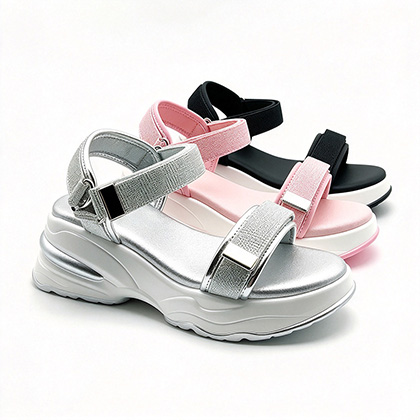
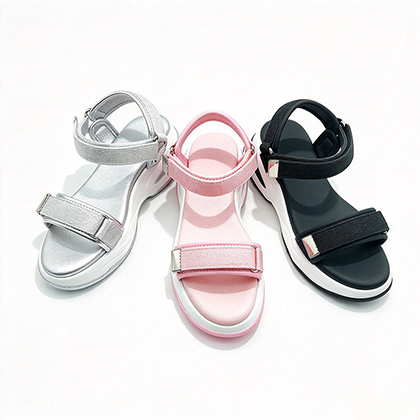
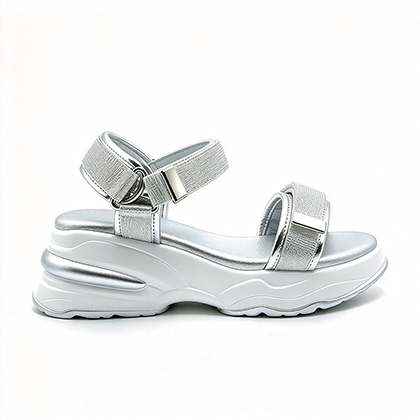
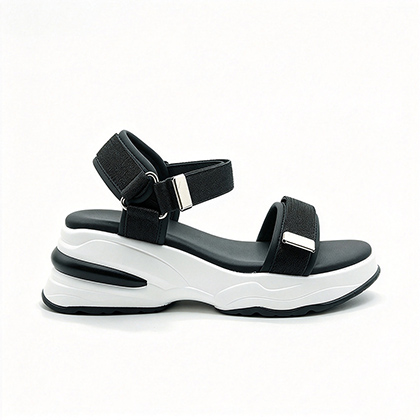
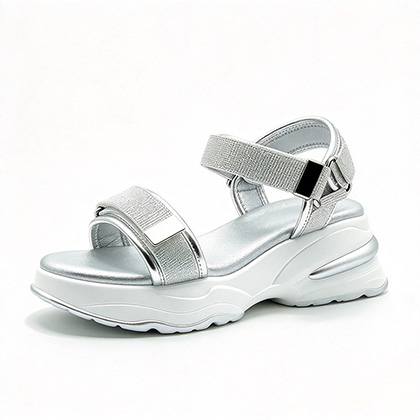
Premium Kids Sandals: Strong seasonal item. High turnover in hot climates and summer months; reduce stock levels once the summer window closes to avoid capital lockup.
Premium Kids Casual Shoes: All-season versatile SKU. It works as a safe buffer for your inventory plan, suitable for cross-border online stores and general boutiques.
Premium Kids Boots: Highly seasonal product. Order carefully and keep smaller batch sizes for warm markets like GCC; scale up only for cold zones in Europe and southern Australia.
Simple Forecasting Workflow For Wholesale Buyers
You do not need complex data tools to build a usable forecast for kids footwear. This repeatable workflow fits small and mid-sized wholesalers:
Review your sales data from the same season last year, mark top-selling styles and sizes.
Check local calendar, weather trends and school term dates for each target country.
Confirm supplier lead time, lab testing time and shipping transit time before setting your order date.
Reserve 10–15% flexible budget for hot-selling reorders and sudden local demand surges.
Reduce exposure for high-seasonal items to prevent end-of-season markdown pressure.
Common Forecasting Mistakes To Avoid
Even experienced wholesale buyers make forecasting errors that hurt margins. The most frequent mistakes are listed below:
Using the same seasonal plan for all markets, ignoring hemisphere differences between Australia and Europe.
Ordering too many insulated boots for GCC markets, leading to long-term dead stock.
Delaying school shoe orders and missing the back-to-school shipping cutoff.
Overinvesting in trendy one-off styles without steady repeat demand.
Forgetting extra lead time when compliance test reports are required for customs clearance.
Work With Your Supplier To Adjust Order Timelines
A reliable premium footwear supplier can support your forecasting strategy. We accept mixed-style bulk orders, provide up-to-date test documentation, and support staggered shipments for customers serving multiple geographic zones. If you are a new wholesaler entering these markets, we can share our historical sales trend feedback for each style to help you refine your first assortment plan.
Explore our premium kids footwear collections for your next seasonal order:Premium Kids Boots |Premium School Shoes |Premium Kids Sandals |Premium Kids Casual Shoes
Send us an enquiry if you need support to build a seasonal buying plan tailored to your target countries.